Case 02 · BC new-home market – market-wide standing-inventory recovery (Fifth Avenue Real Estate Marketing tenure)
The Market Changed. The Marketing Had To.
The presale playbook had stopped working. Standing inventory was building across the BC new-home market, and the strategy had to move from presale urgency to MLS-led demand – mid-flight, with capital and developer confidence on the line. We repositioned the product, rebuilt the buyer journey around MLS visibility, and tightened paid spend against the new model. The result: $40M+ in MLS-led sales on under 2% marketing spend, plus 2,000+ new database registrations.
Results at a glance
Full numbers ↓- Call routing, automated email follow-up, and mass SMS across active campaigns
- Active campaigns
- In MLS-led sales on under 2% of revenue in spend
- $40M+
- Tagged database registrations across active buyer stages
- 2,000+
Lead response
Conversion lift
Pipeline visibility
01 · Problem
The starting point.
Context
Delivered in role as Project Campaign Specialist at Fifth Avenue Real Estate Marketing during a market-wide standing-inventory correction across the BC new-home sector. Work spanned multiple developer accounts on the desk during this tenure, including Highstreet Village by AB Wall in Abbotsford – see Case 04 for the lifecycle systems work behind that flagship.
2025 followed an already-difficult 2024. The BC new-home market entered a prolonged correction. Investor demand dropped sharply, Realtor buyer pools were depleted, and many of the 2020–2021 pre-sale buyers struggled to complete on their purchases. Standing inventory from defaulted contracts started accumulating.
Traditional marketing tactics – the ones built on momentum, urgency, and presale FOMO – stopped working almost overnight.
The environment required a different model entirely: a strategy focused on activating demand for standing inventory, not protecting timelines on something still under construction.
Challenges to solve
- Re-engage buyers who were cautious, distracted, and taking longer to decide
- Sell completed inventory from defaulted purchases without collapsing perceived value
- Protect pricing while competing against rising incentives
- Maintain developer confidence through a period of widespread market hesitation
02 · What I did
The plan, and the moves.
Plan
- Shift from a pre-sale-led model to an MLS-driven strategy that meets buyers where they're actively searching
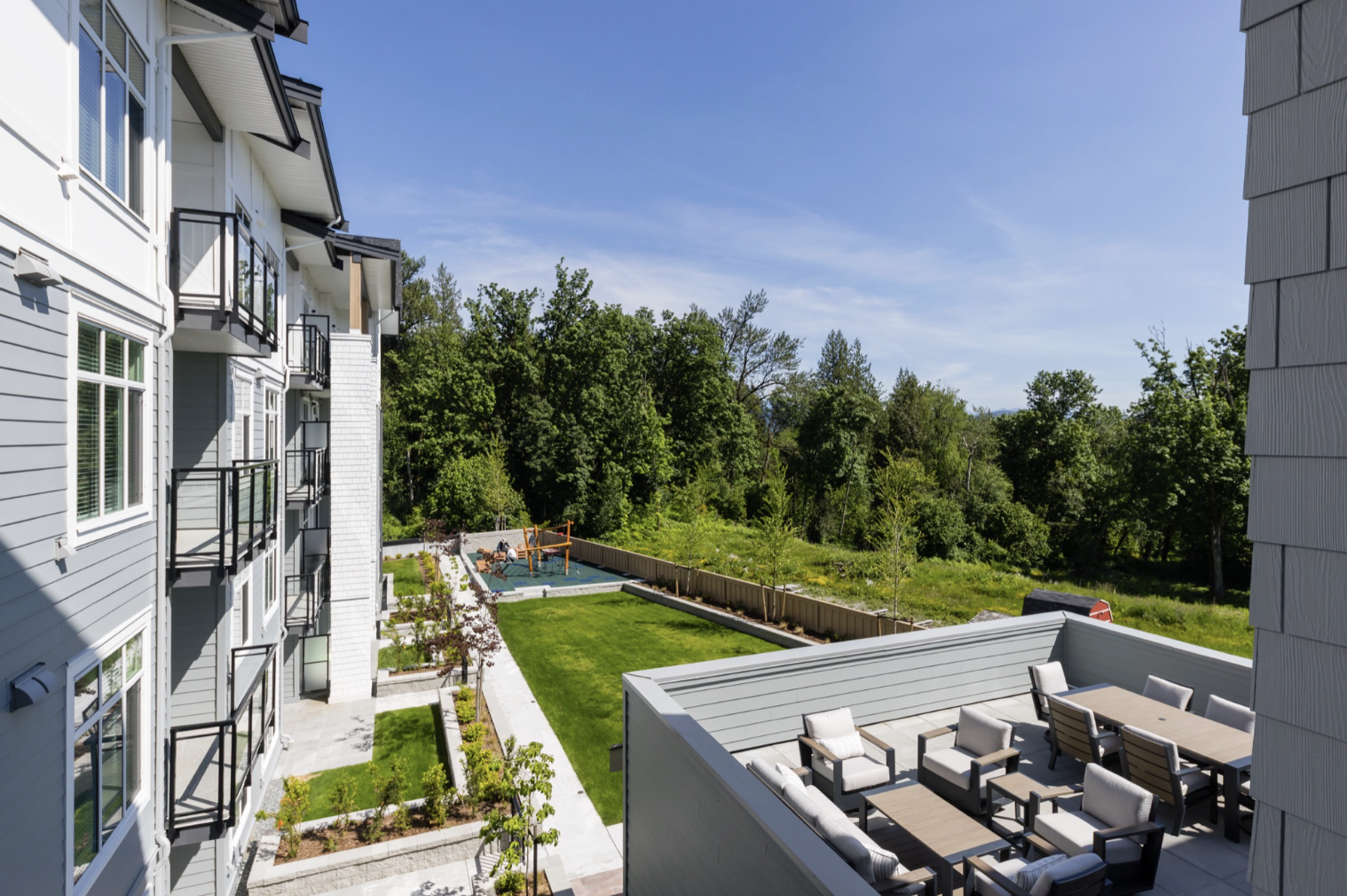
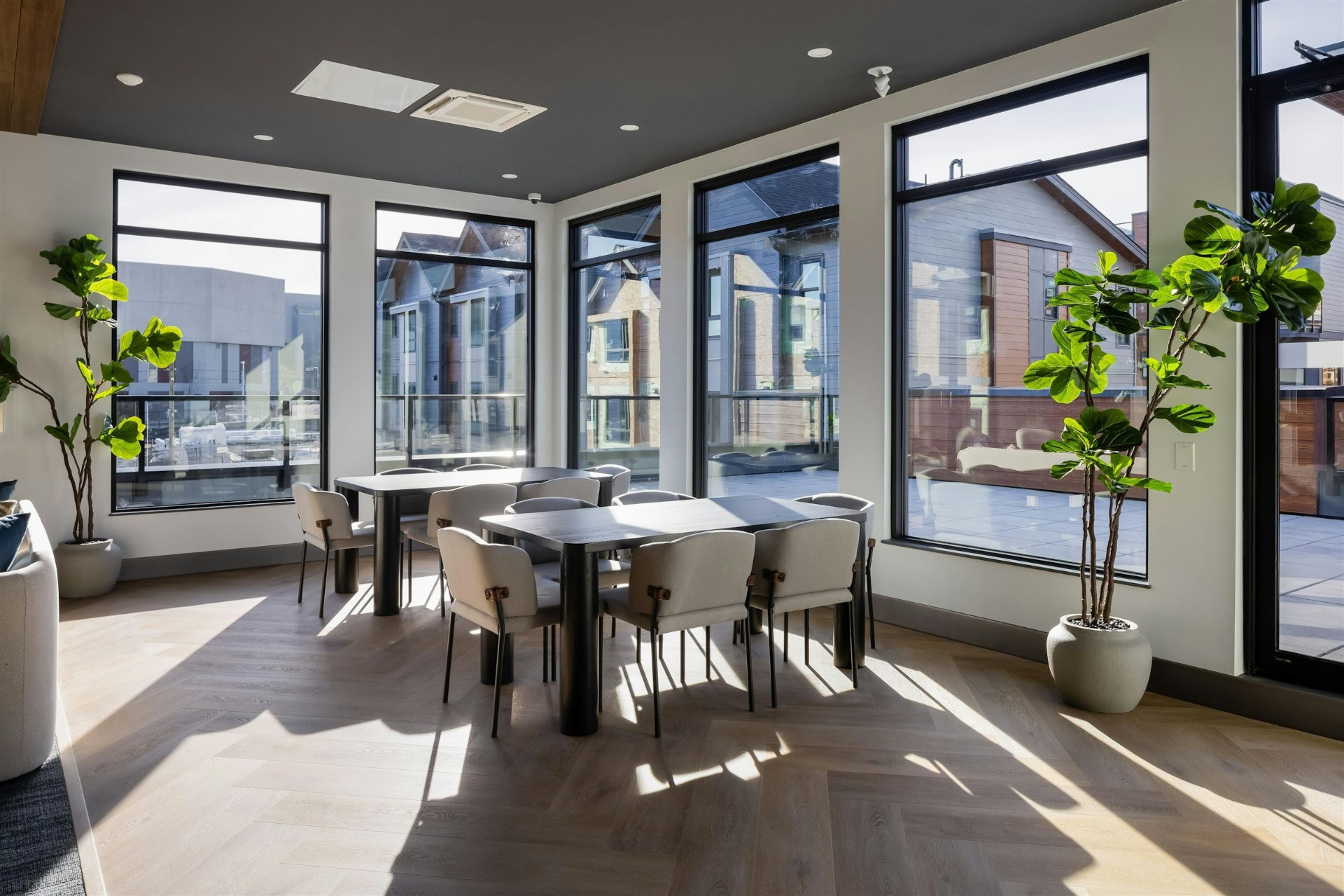
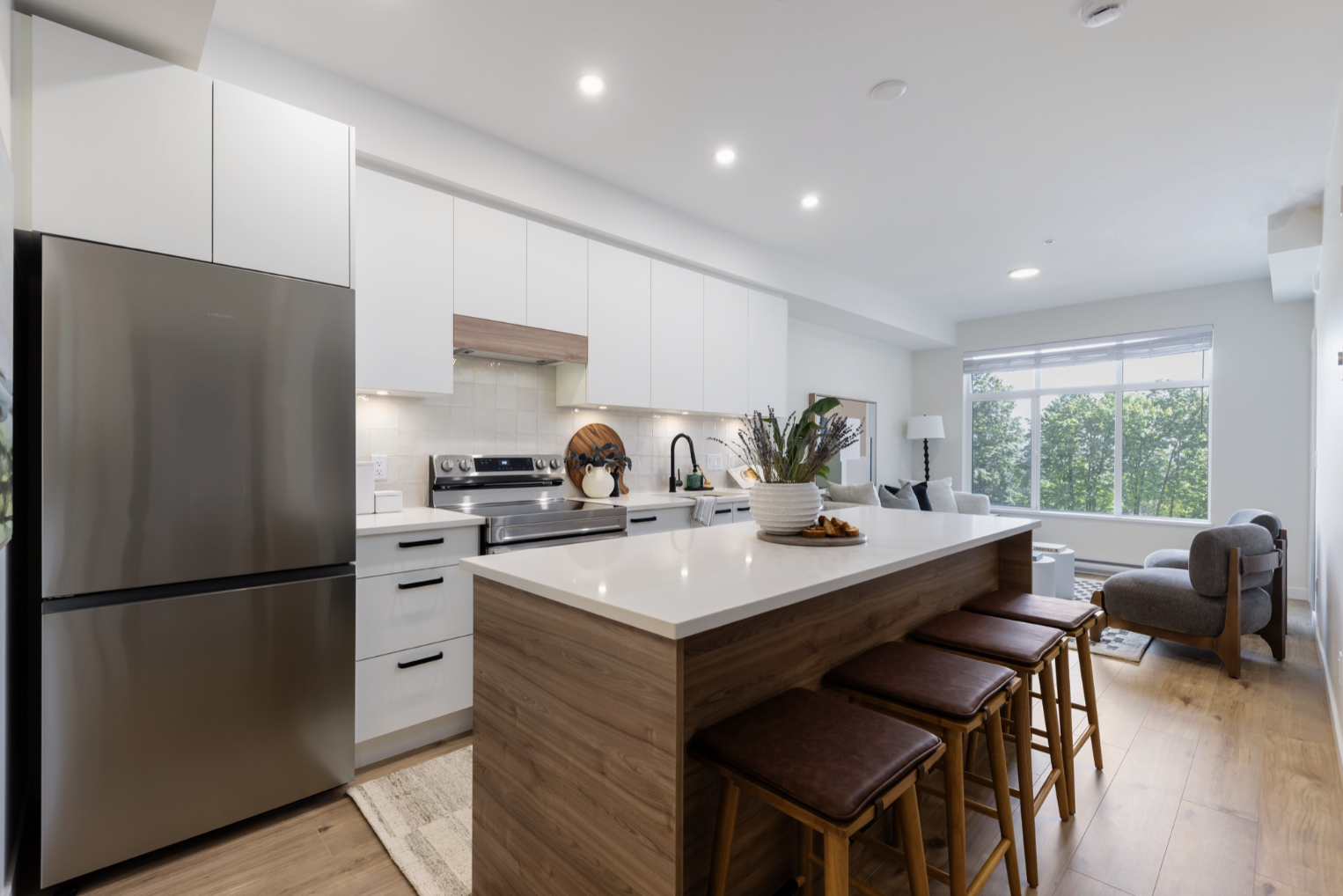
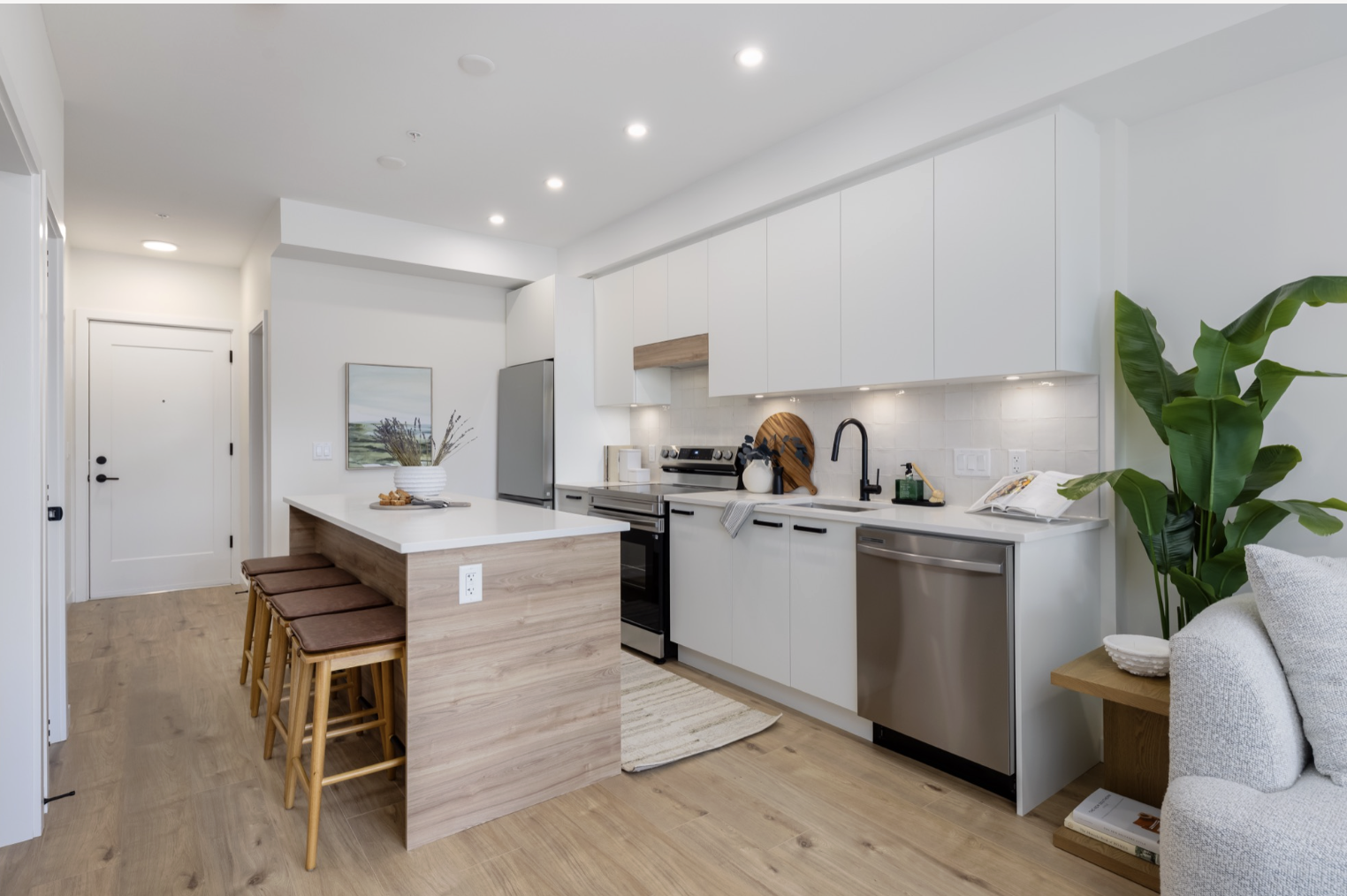
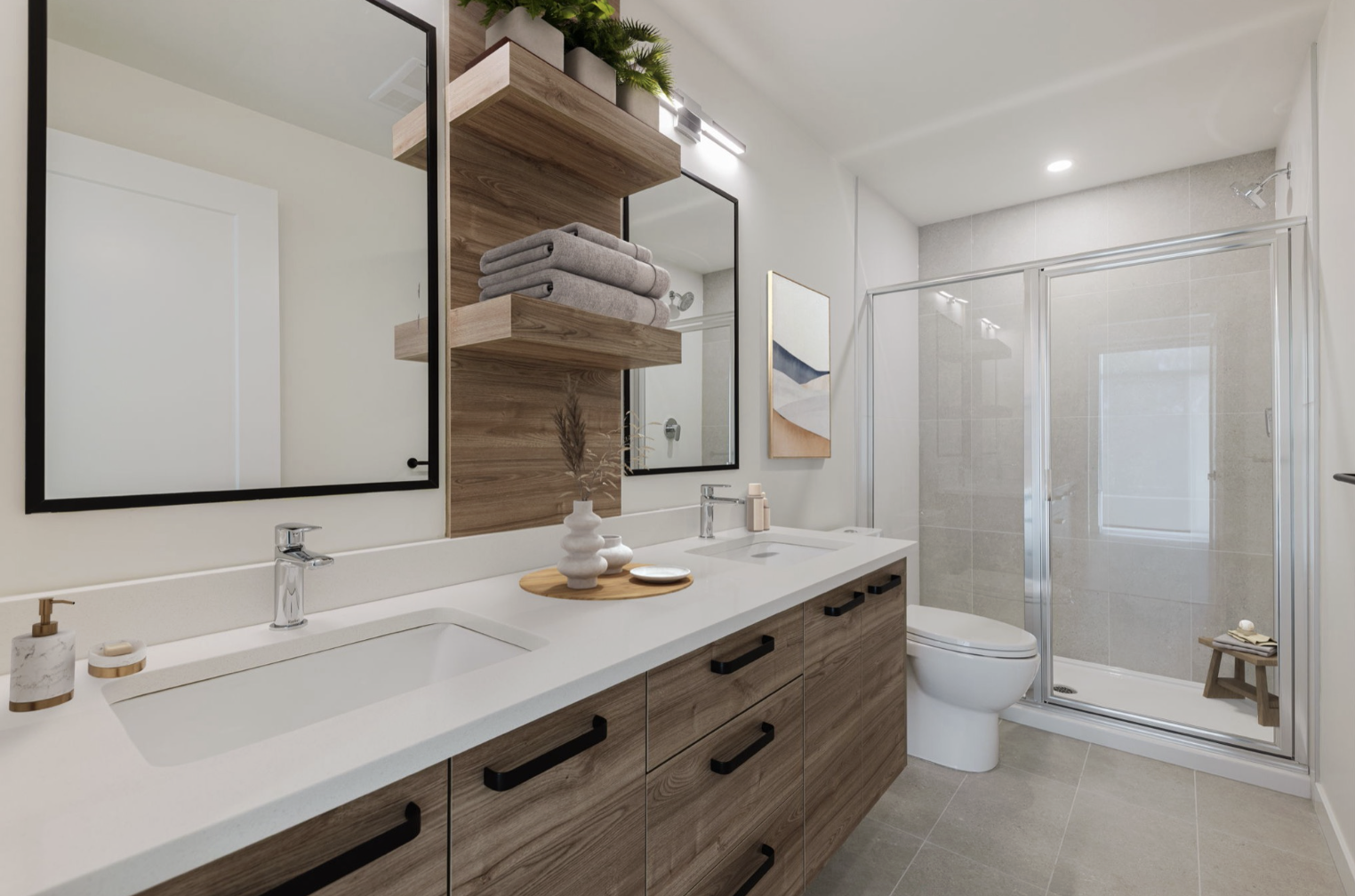
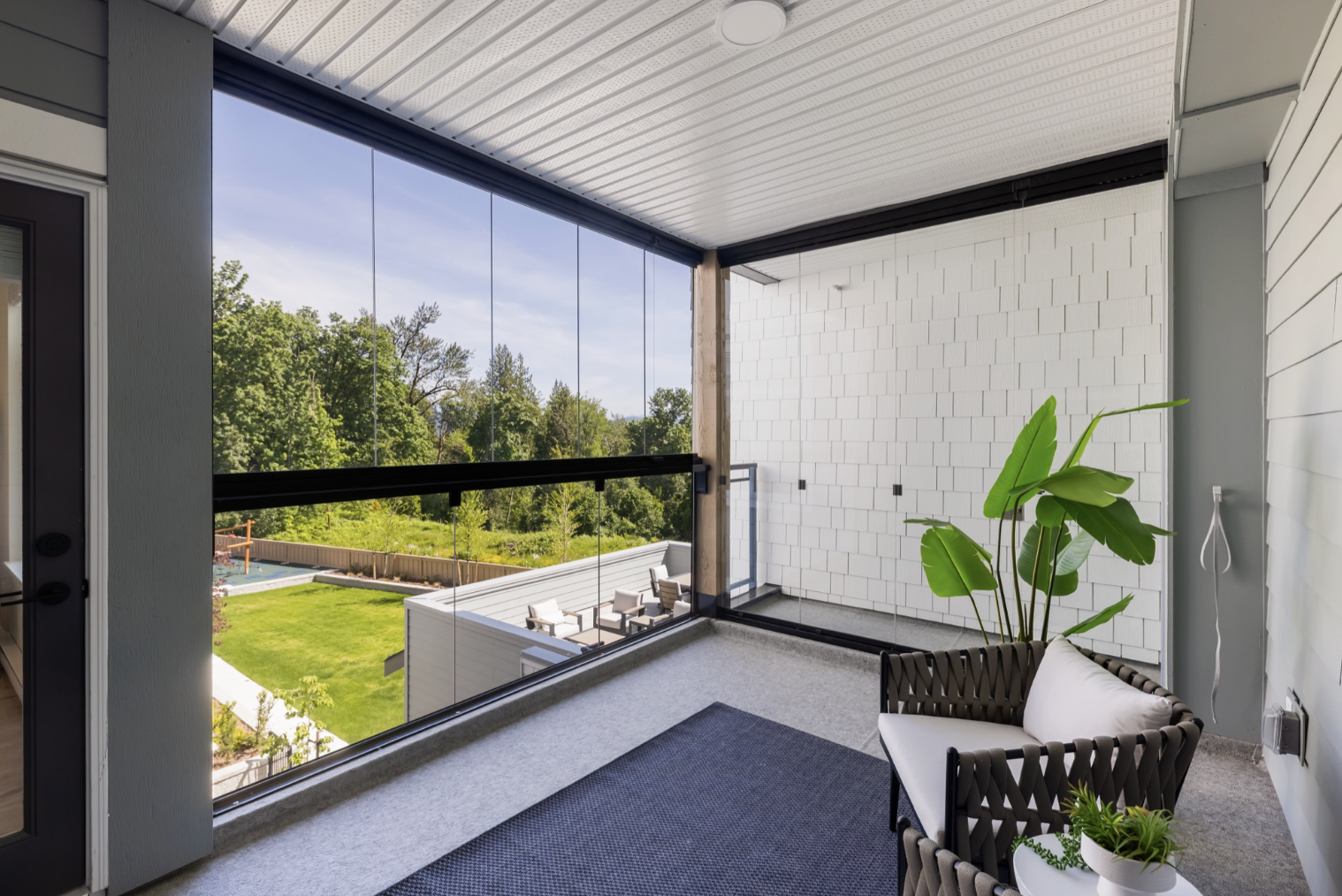
- Stage and photograph completed homes with roving show-home furniture to elevate listing quality
- Establish a weekly engagement cadence across database, open houses, and refreshed messaging
- Manage vendors and internal delivery through major industry and company disruption
- Guide developer clients with frequent, transparent, data-backed updates
Actions & what changed
Action
Shifted from a pre-sale-led model to an MLS-driven strategy – unlocking standing inventory and meeting buyers where they were actively searching
What changed
Met buyers in the channel they were already using and improved relevance in a cautious market
Action
Staged and photographed completed homes with roving show-home furniture
What changed
Elevated listing quality and reduced buyer hesitation with tangible, move-in-ready product
Action
Established a weekly engagement cadence across database, open houses, and refreshed messaging
What changed
Kept attention during long consideration cycles and maintained buyer momentum without re-launching
Action
Managed vendors and internal delivery through major industry and company disruption
What changed
Held execution speed and reduced last-minute surprises during a chaotic period
Action
Guided developer clients with frequent, transparent, data-backed updates
What changed
Improved decision quality and stabilized client confidence under pressure
Project timeline
Phase 1
Reassess (Month 1)
- Audited standing inventory, defaulted contracts, and channel performance against 2025 buyer behaviour
- Walked developer clients through the market read and the case for an MLS-led pivot
- Set weekly reporting cadence so pricing and spend calls could move with the data
Phase 2
Reposition (Months 2–3)
- Moved completed homes onto MLS with refreshed positioning and pricing rationale
- Staged and photographed homes with roving show-home furniture so listings read move-in ready
- Reworked database messaging, open-house program, and Realtor follow-up to match
Phase 3
Sustain (Months 4+)
- Held a weekly engagement cadence across database, open houses, and refreshed messaging
- Protected pricing through transparent updates instead of stacking incentives
- Logged $40M+ in sales on under 2% marketing spend across the active portfolio
Pre-sale playbook vs. MLS-led model
What changed when the 2025 market stopped rewarding pre-sale urgency and started rewarding standing inventory shown well.
Before
- Pre-sale-led launches built on momentum and FOMO
- Standing inventory from defaulted contracts piling up unsold
- Pricing eroded by escalating incentives across competitors
- Long buyer consideration cycles with no weekly engagement plan
After
- MLS-led strategy that met buyers in the channel they were already using
- Completed homes staged, photographed, and positioned as move-in ready
- Pricing protected through positioning instead of discounting
- Weekly cadence across database, open houses, and Realtor follow-up
03 · Outcomes
Quantified results.
By the numbers
$40M+
In sales driven through MLS-led repositioning in 2025
<2%
Total marketing spend against those sales
2,000+
New database registrations across active buyer stages
Bottom line
The takeaway isn't that we did $40M+ in sales. It's that we did it on less than 2% of revenue in spend, in a market most playbooks weren't built for, while protecting the developer's pricing and confidence at the same time. That's the part you don't usually get to put on a case study page.
The Market Changed. The Marketing Had To. – project gallery



Similar services.
Scope a project on any of these directly, or send the brief and we'll sequence them together.
FAQ
Answers, briefly.
- How was the MLS-led standard implemented?
- Month one was an audit of standing inventory, defaulted contracts, and channel performance against actual 2025 buyer behaviour. From there: completed homes moved onto MLS with refreshed positioning, staged and photographed with roving show-home furniture, backed by a weekly engagement cadence across database, open houses, and Realtor follow-up.
- What was the timeline?
- Repositioning rolled out in the first 90 days, then ran as a sustained weekly cadence across the active portfolio for the rest of 2025.
- What did success look like?
- $40M+ in MLS-led sales on under 2% of revenue in spend, 2,000+ new database registrations, and pricing protected through positioning instead of stacked incentives.