Case 04 · Highstreet Village by AB Wall – Abbotsford flagship (via Fifth Avenue Real Estate Marketing)
The Lead System Behind a Scaling Sales Operation
Lead follow-up was still manual, buyer data wasn't being reused across the funnel, and the phone system was hitting a ceiling – single points of failure on a sales operation scaling across multiple active projects. Without a portable lifecycle layer, every new launch would rebuild the same fragile stack. The fix wasn't a new tool. It was a portable standard – SMS, email, CRM, and registration tied into one repeatable lifecycle system. The result: 4.6% registration-to-firm conversion, $167 average CPL, 1,600+ registrants, 246K+ emails at 44.4% open and 19% CTR, and 85K+ SMS texts.
Results at a glance
Full numbers ↓- Call routing + automated email/SMS follow-up across every project
- 24/7
- Registration-to-firm conversion at the flagship Abbotsford project
- 4.6%
- Average cost per lead, tracked against CPL, conversion, and channel mix
- $167
Lead response
Conversion lift
Pipeline visibility

01 · Problem
The starting point.
Context
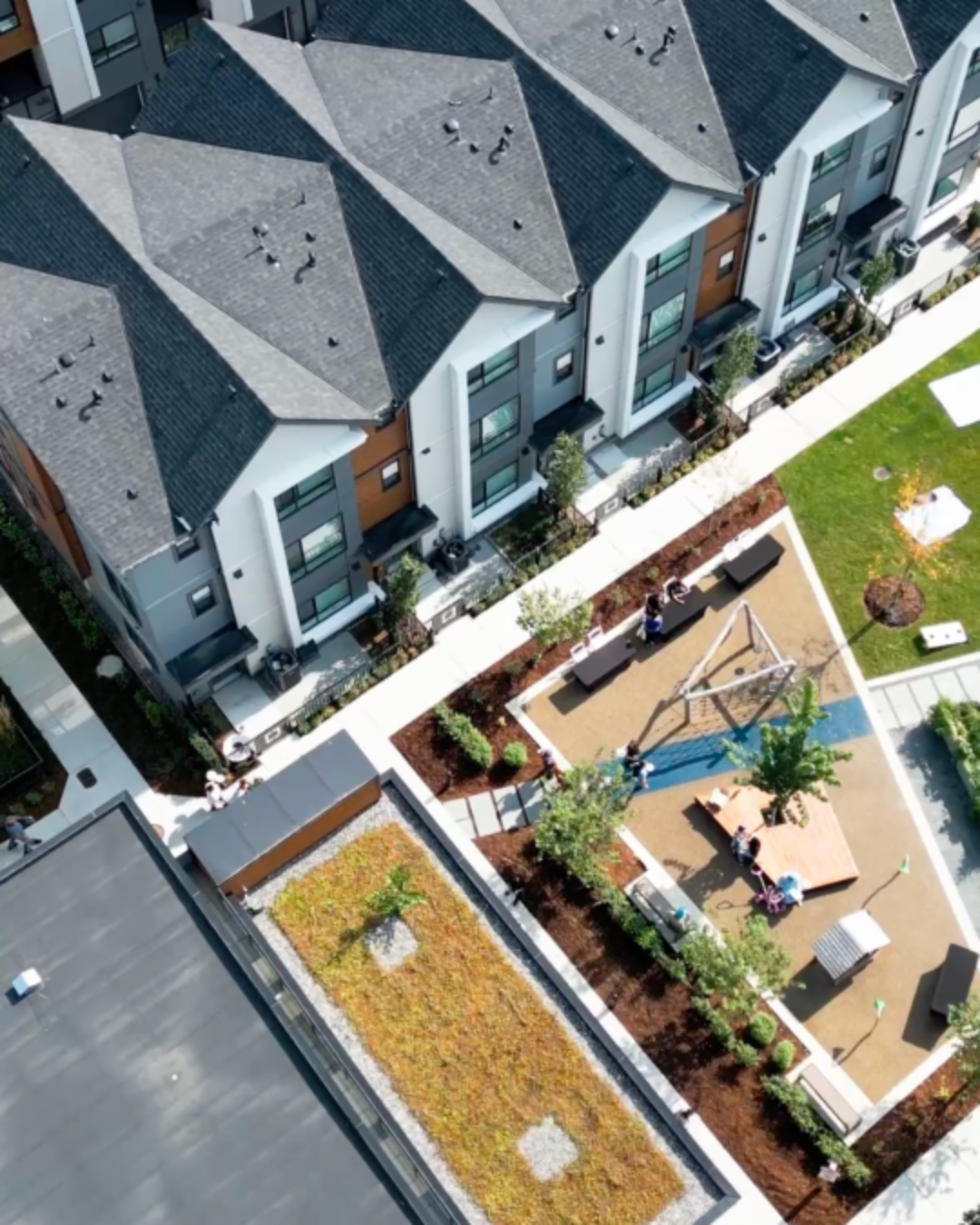
Delivered as Project Campaign Specialist at Fifth Avenue Real Estate Marketing, on the Highstreet Village flagship account – a 12-acre master-planned community in West Abbotsford comprising 131 townhomes and 9 multi-phased mid-rise condominium towers, by AB Wall.
Sales and marketing activity was scaling across multiple projects, but inconsistent systems were limiting speed, visibility, and the ability to respond to buyers in real time.
Teams were running on fragile systems that slowed response, limited insight, and created unnecessary dependency on individual people.
Challenges to solve
- Lead handling and follow-up were manual and inconsistent
- Sales teams lacked modern communication tools aligned with how buyers were actually behaving
- Existing systems created single points of failure
- Buyer data wasn't being effectively captured or reused
02 · What I did
The plan, and the moves.
Plan
- Automate email workflows with embedded qualification to improve response and segmentation
- Use survey responses to segment leads and route them effectively
- Replace the legacy VOIP system with one that enables 24/7 call routing and reliability
- Enable group and mass texting to match buyer communication preferences
- Standardize systems and tools as a repeatable, portable solution across projects
- Train teams and document workflows to support consistent usage
Actions & what changed
Action
Implemented automated email workflows with embedded qualification
What changed
Improved lead response and segmentation; manual qualification stopped slowing the sales team
Action
Used survey responses to segment leads and route them effectively
What changed
Gave teams insight into buyer intent and readiness instead of treating every lead the same
Action
Replaced legacy VOIP with a new system enabling 24/7 call routing and improved reliability
What changed
Phone system stopped being a regulatory and reliability risk
Action
Enabled group and mass texting aligned with buyer communication preferences
What changed
Met buyers in the channel they were actually using and improved response rates
Action
Standardized systems and tools as a repeatable, portable solution
What changed
Workflows scaled beyond one project without rebuilding from scratch
Action
Trained teams and documented workflows
What changed
Adoption stuck; institutional knowledge stopped living in one person's head
Project timeline
Phase 1
Setup
- Replaced legacy VOIP with a new system enabling 24/7 call routing and improved reliability
- Standardized systems and tools as a repeatable, portable solution across projects
- Trained teams and documented workflows to support consistent usage
Phase 2
Rollout
- Implemented automated email workflows with embedded qualification
- Enabled group and mass texting aligned with buyer communication preferences
Phase 3
Optimization
- Used survey responses to segment leads and route them more effectively
- Refined cadences and reporting against CPL, conversion, and channel mix
Manual stack vs. portable lifecycle system
What changed once lead handling, phone, and lifecycle communications stopped depending on individual people.
Before
- Lead follow-up handled manually and inconsistently
- Legacy VOIP at its ceiling – reliability and routing risks
- Buyer data captured but not segmented or reused
- Institutional knowledge concentrated in one person's head
After
- Automated workflows with embedded qualification and segmentation
- Modern phone system with 24/7 call routing and group + mass SMS
- Segmented database feeding reporting and lifecycle cadence
- Documented, portable standard rolled out across every project
03 · Outcomes
Quantified results.
By the numbers
4.6%
Registration-to-firm conversion rate (flagship Abbotsford project)
$167
Average cost per lead
10M+
Impressions
1,600+
Registrants
108K+
Website views
85K+
Mass SMS texts
246K+
Emails sent · 44.4% avg open rate · 19% avg CTR
Bottom line
The most expensive thing in a marketing operation isn't the campaigns. It's the single point of failure – the one person who knows how the CRM is set up, the one phone system that can't fail twice in a row, the one workflow that lives in someone's head. This work was about replacing all of those with something portable. Boring, slightly. Permanent, mostly. The kind of work that doesn't show up in the slide deck until the quarter someone tries to scale without it.
The Lead System Behind a Scaling Sales Operation – project gallery



Similar services.
Scope a project on any of these directly, or send the brief and we'll sequence them together.
Marketing Technology
CRM, automation, VOIP replacement, and the portable standard behind every project.
Email Marketing & Social Media
Segmented email + mass/group SMS cadences matched to how buyers actually behave.
Retainers
Ongoing lifecycle ownership so single points of failure stop quietly carrying the operation.
FAQ
Answers, briefly.
- How was the lifecycle standard implemented?
- Setup first – VOIP replaced, systems standardized, workflows documented and trained. Then rollout: automated email with embedded qualification, group + mass SMS, and segmented routing. Then optimization: survey-driven segmentation tuned against CPL, conversion, and channel mix.
- What was the timeline?
- Setup, rollout, and optimization rolled in phases across the portfolio so each project picked up the same portable standard without rebuilding from scratch.
- What did success look like?
- 4.6% registration-to-firm conversion at the flagship Abbotsford project, $167 average cost per lead, 1,600+ registrants, and lifecycle communications that stopped depending on any single person to keep running.